
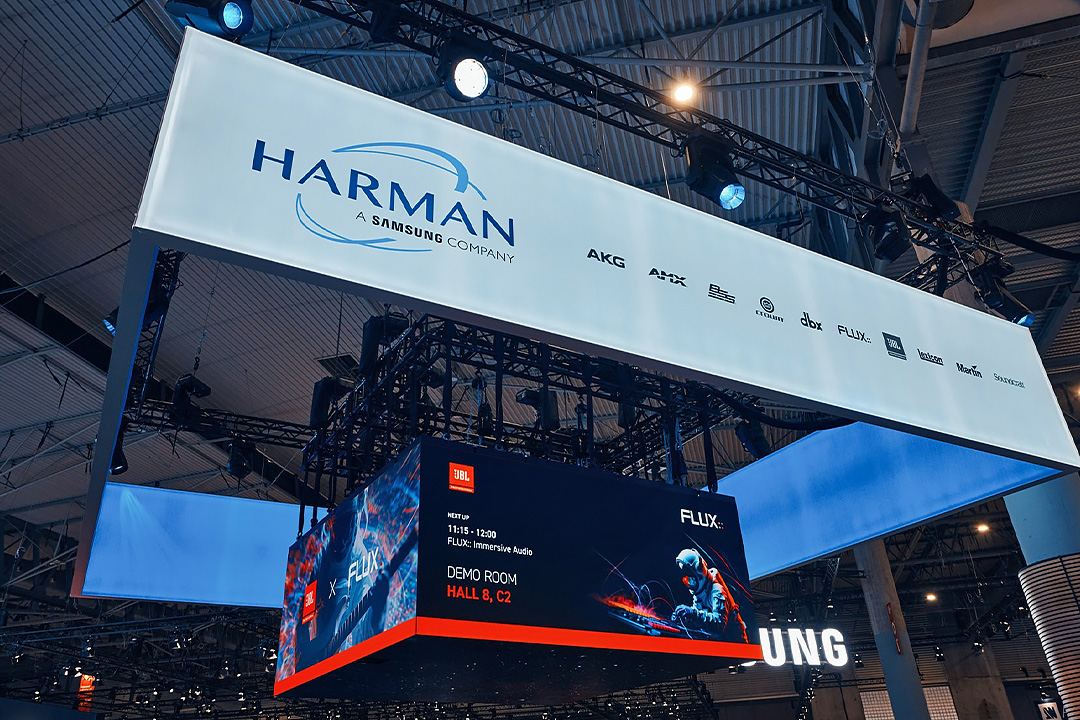
In the live demo hall at ISE 2026, we step into Harman’s space. A JBL immersive system, powered by the latest version of SPAT Revolution, is in full flight. The demo is striking for its clarity, relevance and sonic impact, to the point where you find yourself thinking… Flux:: really is quite a story.
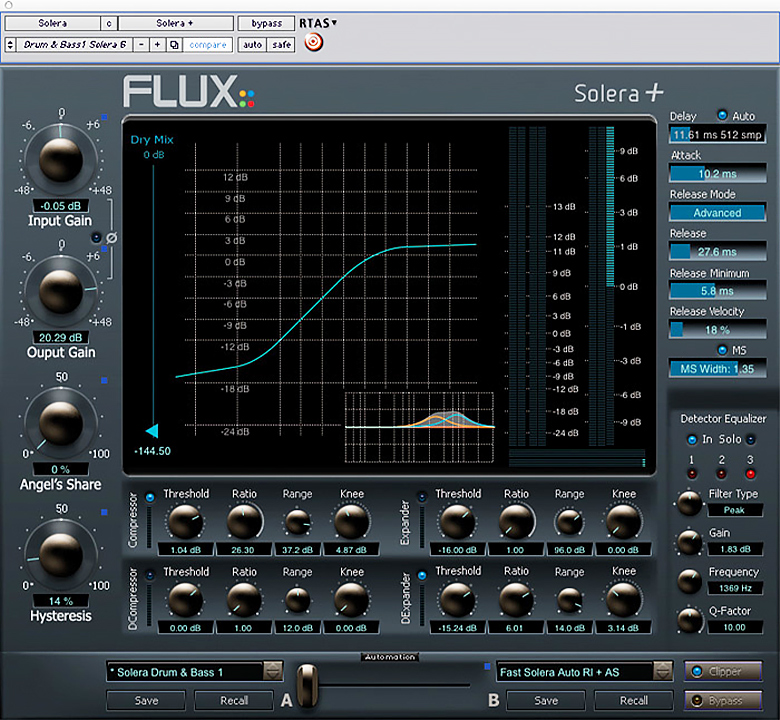
Whether in measurement with Pure Analyzer, processing in our favourite DAW via plug-ins such as EVO Channel, or sound spatialization with SPAT Revolution, Flux:: has consistently delivered top-tier tools, engineered to meet real-world needs with precision while opening up broad creative possibilities. That forward-looking approach was no doubt not the only factor behind its acquisition by Harman Pro in 2023, but now that it sits within a group with major development resources, Flux:: looks set for a future of continued innovation and performance.
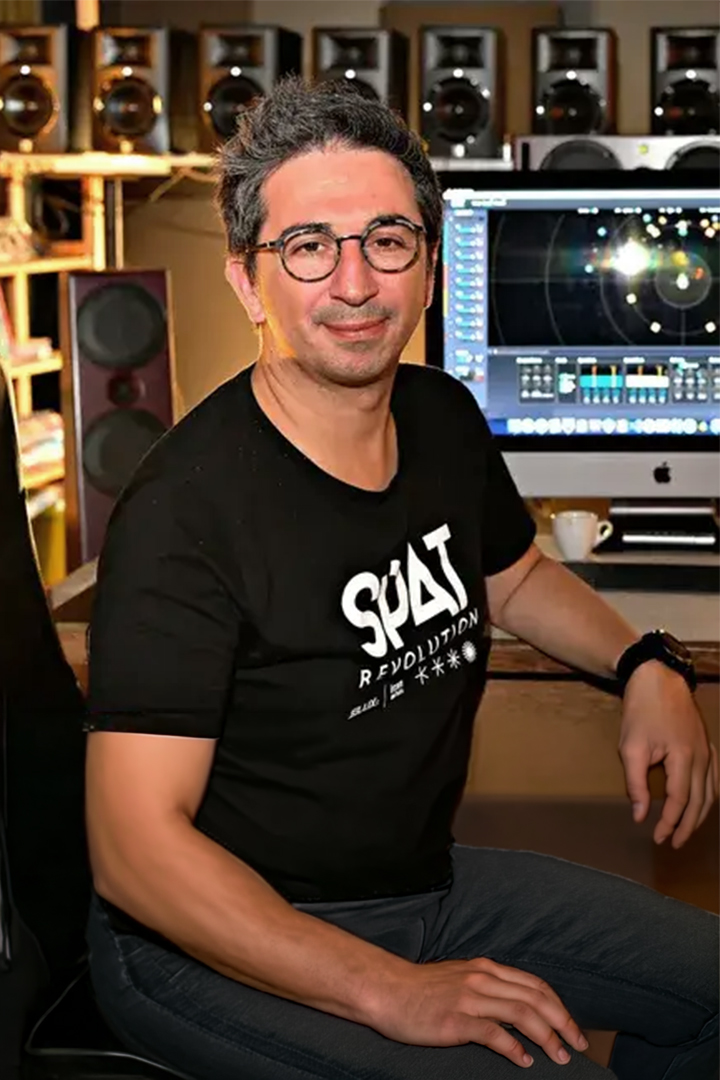
Two years on, this feels like the right time to take stock, with an early look at the new versions of MIRA and SPAT Revolution. And we are lucky enough to do so with its founder, Gaël Martinet.
SLU : Hello Gaël, it has been a long road since Flux:: was founded in 2006
Gaël Martinet : It has been a great story, but not an easy one. I always had to fight for recognition, both for my brand and for my company. I had to create innovative products to make sure they succeeded, while constantly finding the financial resources needed to keep developing them.
SLU : So there were a lot of constraints?
Gaël Martinet : Sales did not come immediately. The only way I could finance development was by doing work for third-party companies. Even when those were projects I enjoyed, they drained my own resources and slowed product development. When you are fighting to establish your brand, which was exactly my case, and you see competitors moving ahead simply because they do not face the same financial pressures, that is always difficult to live with.
SLU : And yet Flux:: was already a recognised brand?
Gaël Martinet : After 20 years, we had earned a certain level of recognition. But visibility is always a challenge. Fortunately, we had a strong international presence. Our products are used in more than 120 countries. That is the beauty of this profession. It has always been one of my greatest sources of pride, realising that people anywhere in the world know who you are and genuinely value your products.
SLU : Even with that presence, it was still complicated?
Gaël Martinet : After the 2008 crisis, like most companies, we lost all our cash reserves. And we never really recovered them. So finding funding became a constant effort, even if from time to time we had a little breathing space. Then all of a sudden, Harman came in with an acquisition offer!
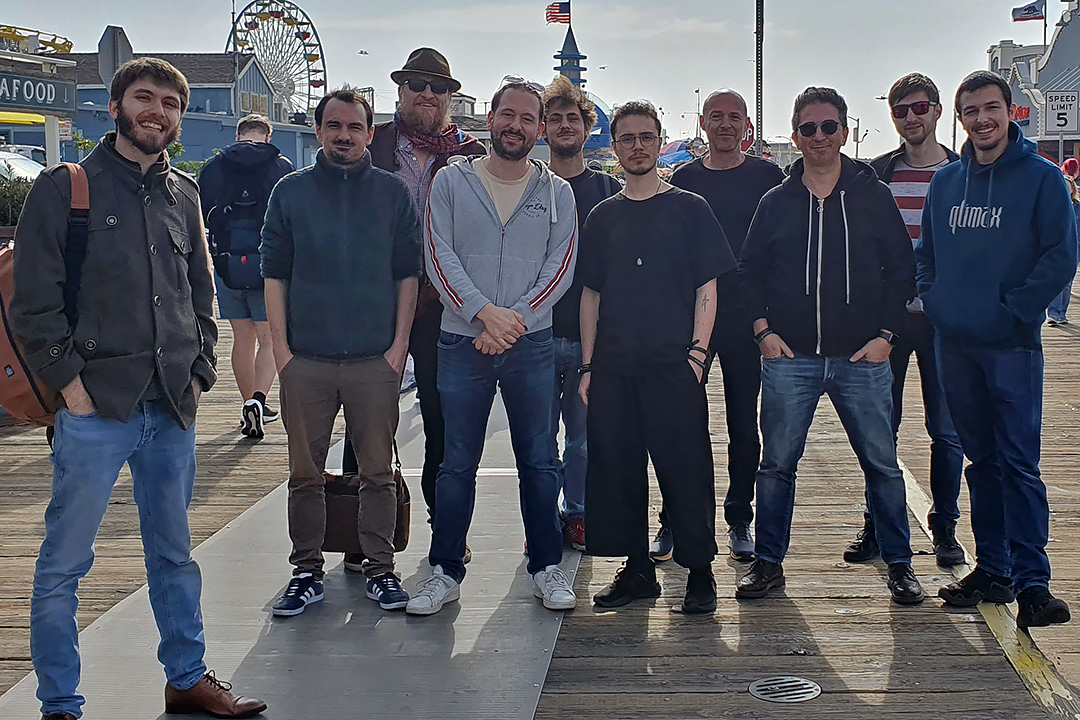
SLU : This acquisition by Harman, which did not have a spatialization solution of its own, seems both logical and obvious
Gaël Martinet : Yes, that was exactly their thinking. Suddenly, we had the feeling of being seen as a gem, because they presented us to the whole profession as an obvious fit and instantly gave us the recognition due to our 20 years of work.
Over the course of our history, we had never managed to reach that level of acknowledgement. Of course, we had enjoyed a degree of critical recognition, thankfully, and that is precisely why Harman took an interest in us. But now that we are inside the Harman group, the scale is on an entirely different level.
SLU : That is a major change?
Gaël Martinet : A huge one for me. Being part of a large group like Harman, and therefore Samsung, greatly reduces the financial pressure. That does not mean spending recklessly, but it gives me complete peace of mind when it comes to development, which I still oversee as director. I am also taking the opportunity to push the team towards greater and greater autonomy.
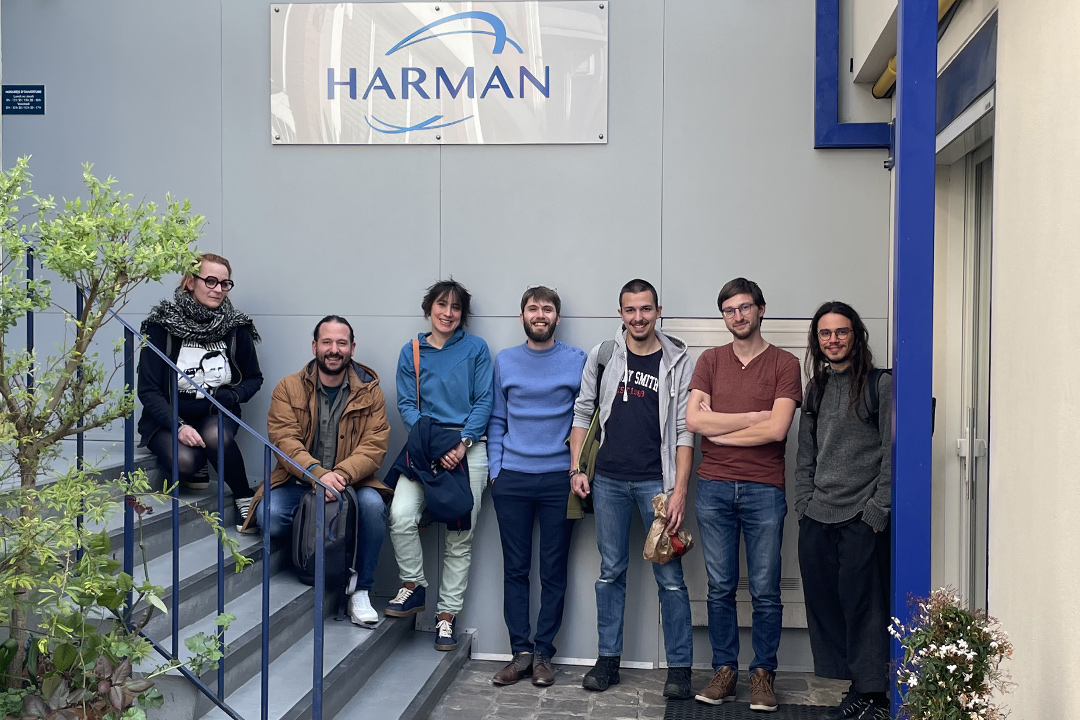
SLU : Has the Flux:: team remained the same?
Gaël Martinet : Yes, exactly the same. And I have to say, I worked very hard to make sure of that. In many cases, acquisitions are difficult for teams to absorb. Some people can feel unsettled, may no longer feel they belong, may not like becoming part of a large corporation, as in our case, and may feel they are losing agility in certain areas.
Fortunately, Harman gave us a lot of freedom and did not impose overly restrictive processes. That is why everything went smoothly. Everyone received their share at the time of the acquisition and was offered a role, career prospects within Harman, and a salary increase. Our subcontractors were also given the opportunity, if they wanted, to join the team full-time. In the two years since joining Harman, no one has left the company. That is, of course, another major source of pride for me.
SLU : That must open up strong development prospects?
Gaël Martinet : We have to take it step by step. At the time of the acquisition, we defined four objectives. We have completed three of them and are currently finalising the fourth. We had a target, and we hit it. We even went a little further with MIRA, which had not originally been planned.
SLU : MIRA is indeed a very nice surprise…
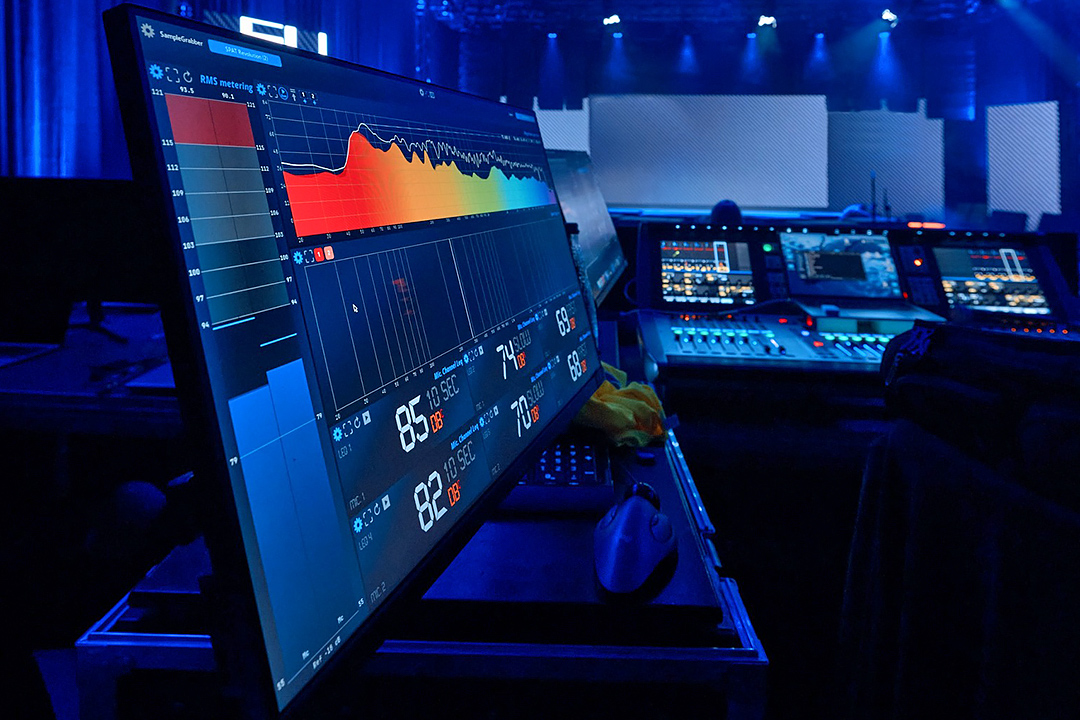
Gaël Martinet : I really pushed that initiative. For me, it was important to show that we had not forgotten our users. Pure Analyzer had not been updated in ten years, and I did not want people to think, after the acquisition, that the software was effectively finished. So I proposed to Harman that we send the right signal to our long-standing users by modernising our analyser and turning it into both an immersive tool and a JBL tool. For me, it was also a way of bringing a bit of “cool” into Harman. Everybody understood that, and we made it happen.
SLU : And you also took the opportunity to rename it MIRA?
Gaël Martinet : It was the perfect opportunity to make up for lost time. In truth, it had been badly named from the beginning. We took the opportunity to redesign the interface and open it up towards the future, both in immersive terms and in relation to JBL… It is worth remembering that in 1995, at the 99th AES Convention in New York, JBL introduced its JBL-Smaart measurement software. Thirty years later, JBL once again has a measurement tool in its portfolio. I find that simply fabulous.
SLU : The new version of MIRA is packed with features?
Gaël Martinet : We have integrated a number of functions that are genuinely very interesting. It is also one of the rare audio analysis and measurement tools that works equally well for studio, broadcast and live applications. Its interface is fully customisable, which means you can, for example, create measurement systems connected to different streams and monitor them all in real time in a single window. That will be extremely useful in broadcast for monitoring 24 different stereo streams, or on a show where the engineer can keep an eye on the immersive send at the same time as the binaural reduction.
SLU : One of MIRA’s major advantages is the ability to work offline?
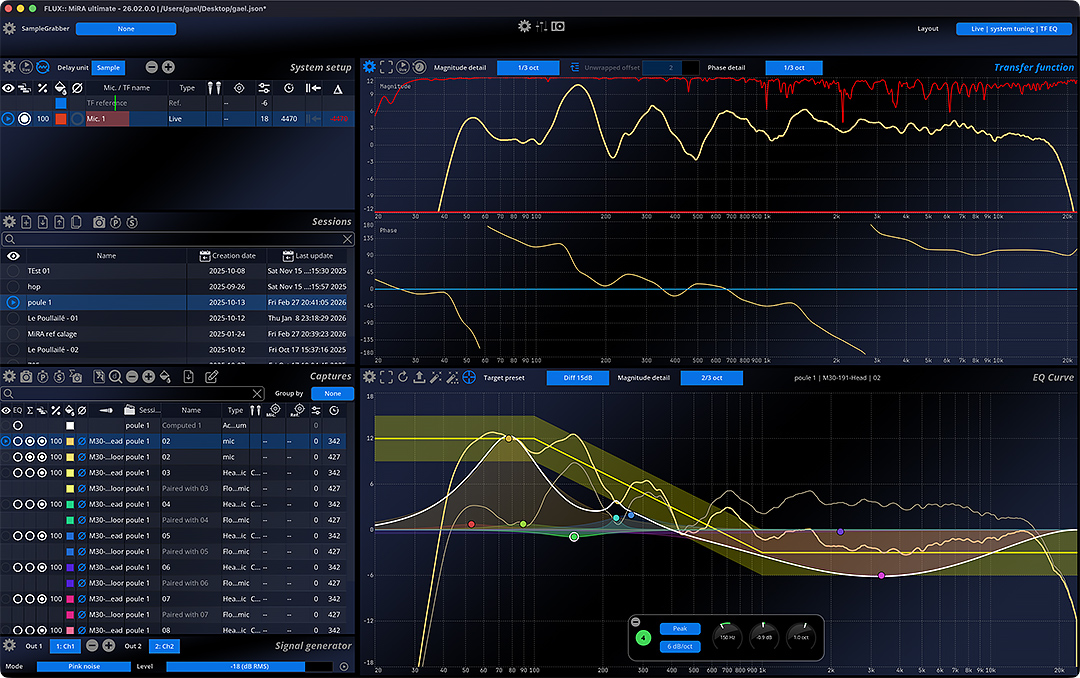
Gaël Martinet : Yes, and that is a very important point, especially in live applications. The workflow is extremely flexible. The system engineer takes measurements on site and can then disconnect from the system in order to work offline. There is no problem recalibrating, reworking delays, averages, in short, doing all the preparation work needed for tuning away from the venue.
SLU : And adding EQs?
Gaël Martinet : The new version of MIRA makes it possible to integrate EQs. The system engineer can therefore equalise the measurements and, once satisfied, export them and reload them on site. We can send them directly to the processors we know, such as SPAT Revolution and perhaps eventually certain other Harman processors. It is also possible to export the values as text files in order to reproduce them in other systems.
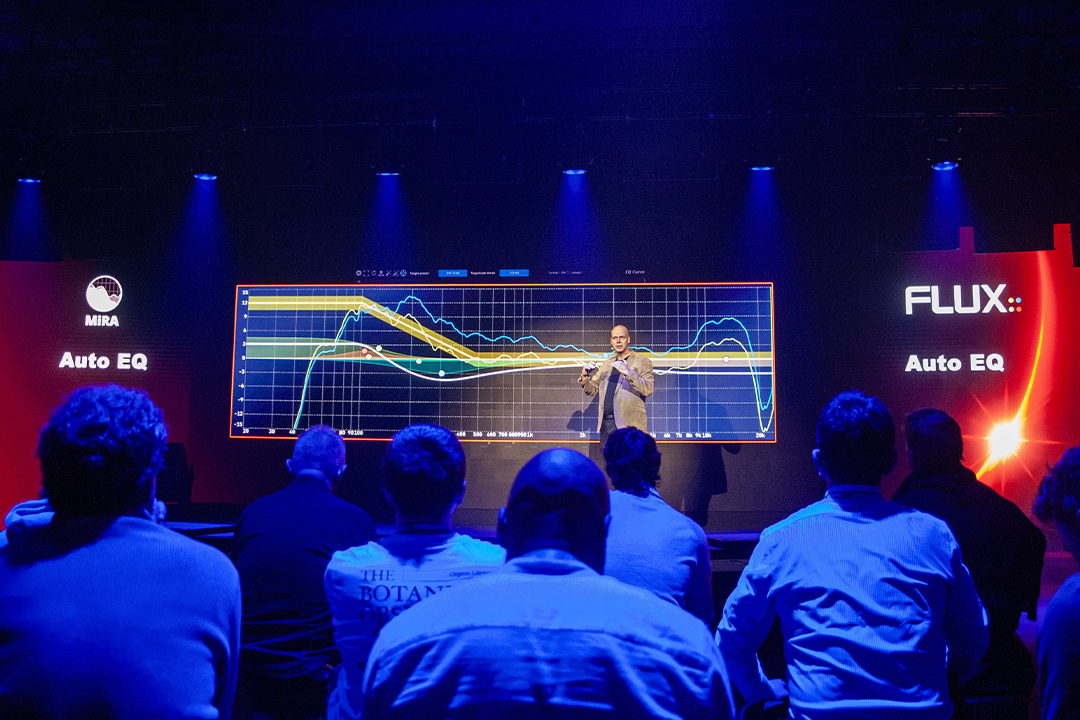
SLU : Including an Auto EQ function?
Gaël Martinet : It works extremely well. Our approach is not simply to generate an EQ curve, but to generate the actual parameters needed to implement it, which means the operator can reproduce and customise them in any system.
Many correction solutions, for example in studio applications, allow you to calibrate your monitoring, but generally do not allow you to modify the correction curve. The idea with MIRA’s Auto EQ is to give engineers a starting point so they can move faster.
We let them choose the target contour they want, either from presets or by drawing it themselves, and MIRA generates the correction needed to get as close as possible.
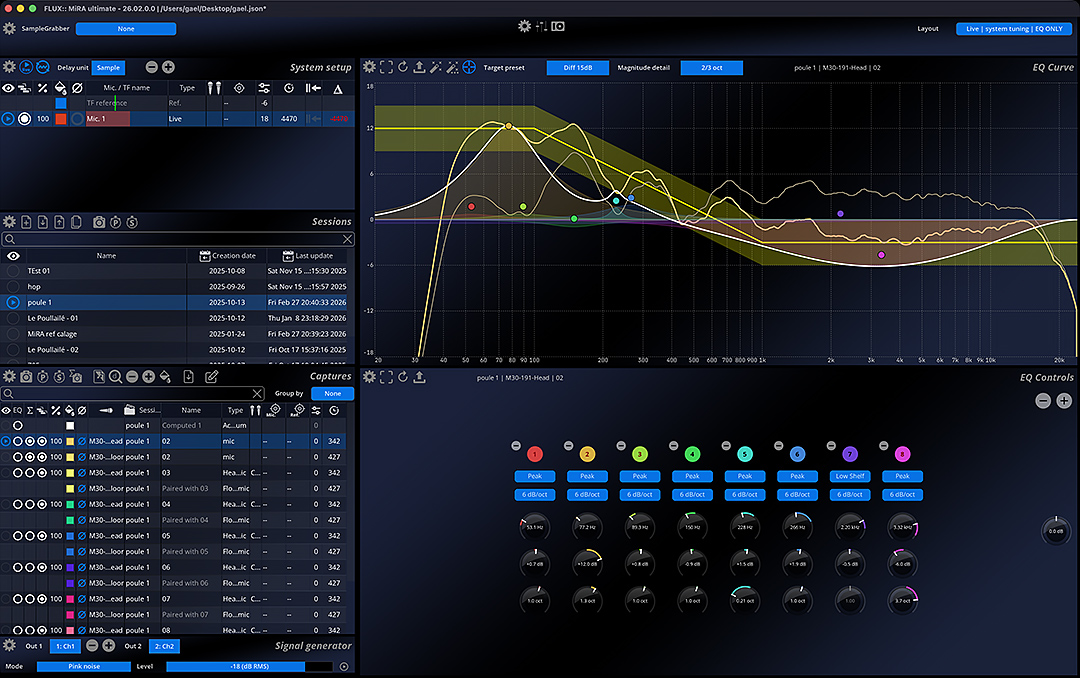
SLU : A valuable aid for system tuning?
Gaël Martinet : The idea is to save the engineer time so that he can be more relaxed and more focused on the show itself. Less struggling with the technical side, while still enhancing his know-how.
SLU : Is this idea of enhancing know-how central to all your development work?
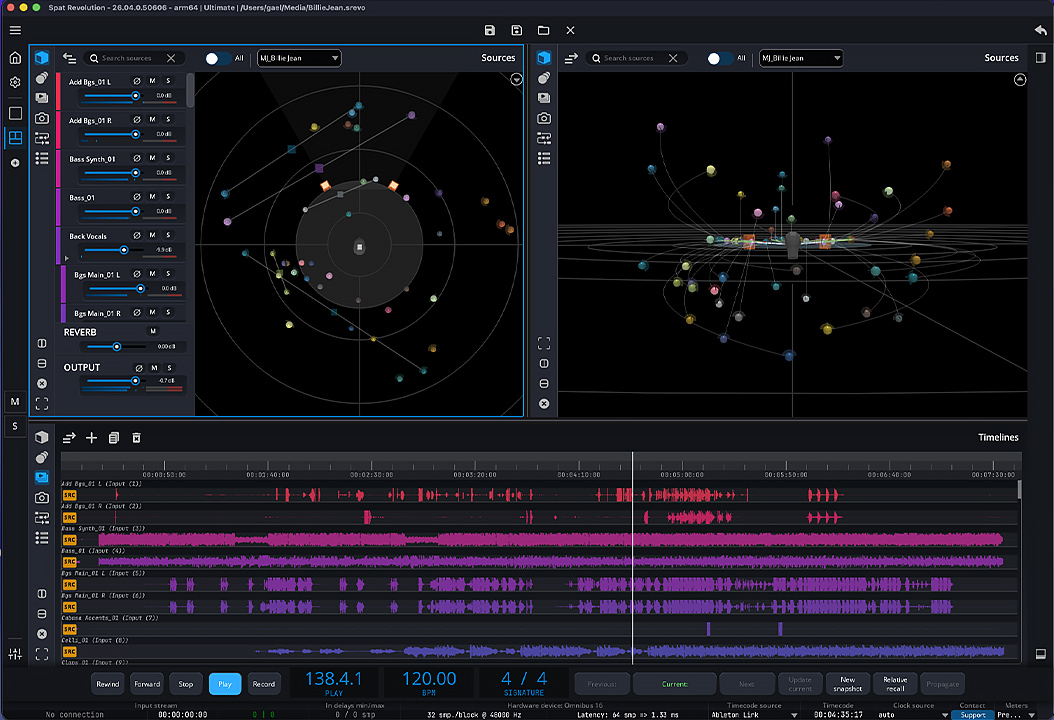
Gaël Martinet : It is the philosophy we have been developing over the last few years. We help our users master our tools more effectively, which in turn allows them to better showcase their own expertise. In SPAT Revolution, for example, we try to reveal inconsistencies and problems based on the chosen loudspeaker setup and the positions of the sources.
When a red vector appears, the engineer immediately understands that what he is trying to do will not work. We try to show him why, by giving him the educational tools that will let him improve. We do not want to do everything for him; we want to make it easier for him to do it himself while learning.
SLU : That is commendable at a time when everything seems to be moving towards process simplification?
Gaël Martinet : It is a subject that matters deeply to me, and one that worries me. You know that well, since we have known each other for a long time. When we were based in Orléans (south west of Paris France), my neighbour was a luthier and his workshop connected directly to our offices. He used to say that going from his place to Flux:: was like going from the 17th century to the 21st. We had some great discussions trying to understand what had happened in instrument making, why we are no longer able to build a Stradivarius or a Guarneri, and why we no longer fully understand what gave them their sound.
We came to the conclusion that this loss of knowledge was mainly the result of a chain of simplifications in manufacturing, driven by laziness. That is why I often say I do not want to reproduce the problems of 17th-century lutherie; that would be absurd. Sound engineers need to keep mastering their craft and improving it. So for me, the tool must serve the professional, not do the work in his place.
SLU : You have that vision, and you also know the sound engineering profession first-hand?
Gaël Martinet : I used to be a sound engineer. I have lost the reflexes since devoting myself fully to Flux::, and when you are developing, there are times when you need certainty in order to make the right decisions. How do you get that if you are no longer practising? Without that certainty, you are just feeling your way forward. That is why we rely on product managers or consultants. I also sometimes call on friends who are still working in the field.
SLU : Flux:: software addresses some very specialised areas of audio engineering, often not fully mastered by a large number of sound engineers…
Gaël Martinet : Education is an important part of our mission. At the start, we did not have many resources to develop that side of the business. Now I hope we will be able to produce better documentation, training and e-learning. We are also making a lot of effort to improve understanding from within the software itself. Not by simplifying, but by defining the hierarchy of information as it is organised in the software, so that the easier and more obvious elements are highlighted in relation to the more complex ones.
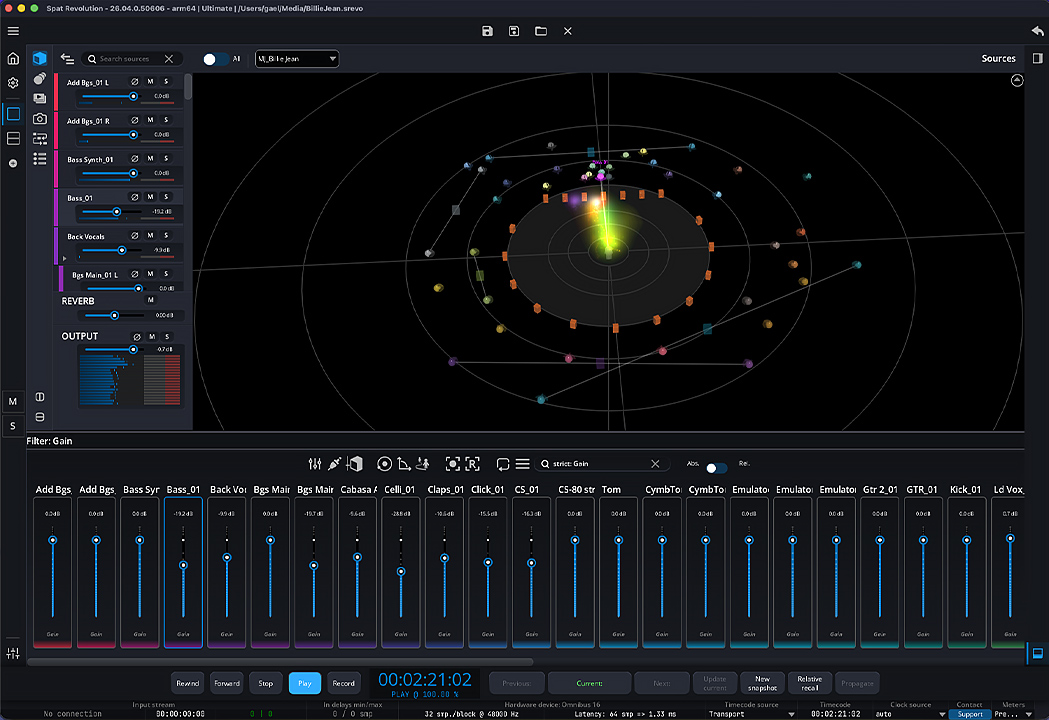
SLU : Is that simplification of the information hierarchy reflected in the new version of SPAT?
Gaël Martinet : Yes, we are introducing a new organisation of the parameter windows, with the most important settings displayed immediately and the others available via secondary expansion. The idea is to provide the right information at the right time. The choice of panning algorithms in SPAT is a good example. The software used to offer a large number of them, all grouped together in a single combo menu.
That could feel complicated for some users. Now we have reworked the interface into a simpler proposal built around three main algorithms — VBAP, DBAP and WFS — with an “other” button for access to the full list. The complexity and power of the software are still there, but the way you access them is more straightforward. We are trying to rethink the whole interface in that spirit. And that is all the more important because we are adding a great deal of new functionality to SPAT.
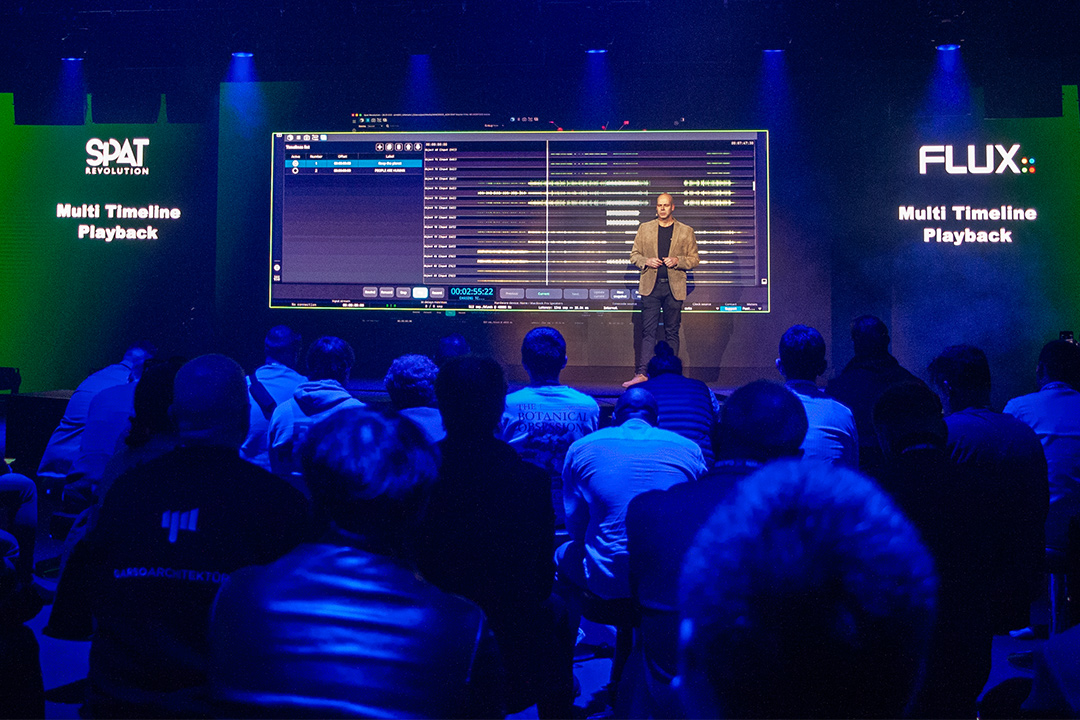
SLU : We can indeed say the new version of SPAT is a real revolution?
Gaël Martinet : Absolutely. The new version of SPAT Revolution integrates show control, a cue sequencer, a multi-timeline playback recorder, audio processing, trajectory animations, a new approach to the protection zone, and all of it synchronised via LTC, MTC and Ableton Link.
SLU : Trajectory management must save a great deal of time?
Gaël Martinet : It is of course possible to draw your own trajectories or select them from a library of effects, but we are going to try to provide as many templates as possible in order to save time for immersive project designers. These trajectories can be controlled by various sources, including LFOs.
SLU : Would integrating AI into SPAT make it more efficient to use?
Gaël Martinet : One of the development paths for the future is very clearly to integrate an MCP server — Model Context Protocol — which would allow AI agents to use the software. That way, a ChatGPT or a Claude Code could connect to SPAT Revolution and access its parameters. The operator could ask it, for example, to draw a spiral trajectory, and it would do it directly.
That is interesting as a creative time-saver. The same goes for building a setup simply by stating how many speakers you need, their spacing, or other specific constraints, which it could generate on its own. More and more AI agents are now interconnecting, and I find that very interesting. We already support OSC, H Control, MIDI and so on… Adding MCP allows us to stay aligned with the same philosophy of remaining connected to other ecosystems.
SLU : Are you also using AI on the development side?
Gaël Martinet : In that respect, AI allows us to develop faster. We produce higher-quality code because it helps us document it much more easily, and above all keep the documentation up to date whenever we make changes. Code testing is extremely time-consuming. AI allows us to do much more of it while saving time. The same applies to repetitive tasks, where the use of AI is entirely justified. It frees us from tedious work and allows us to focus on architecture and on the software’s own specific features. AI also allows us to build prototypes quite easily.
That means we have much more room to be wrong. We can try several topologies much more easily than before, which allows us to move faster towards where we want to go while staying in control. On the other hand, within our team, it is forbidden to use AI to do something we do not know how to do ourselves, or that we are not capable of validating and evaluating. That becomes far too problematic in terms of development and security. We have to stay reasonable and use AI for the right reasons. With this new way of working, you feel supercharged, as if a glass ceiling had been lifted. Suddenly, there is freedom. It has allowed us to develop a huge number of new functions that we showed at ISE 2026.
SLU : Are you still personally writing a lot of code?
Gaël Martinet : You are curious. But to be completely honest, I ran the numbers over the last two years and it turns out I am still the number one contributor to the source code. But the gap is narrowing, and my colleagues are very close now. Soon they will overtake me, which is exactly what I hope, and I am doing everything I can to make that happen, so that they gain autonomy and bring in their own ideas.
SLU : How many people are in the technical team?
Gaël Martinet : The full team now numbers 18 people, compared to 15 at the time of the acquisition. I think they are fantastic. I am grateful to them for having chosen to work with me; they are all brilliant. On the development side, we have ten engineers, two people in technical support, and the rest are in administration, business development and application support. Right now things are moving fast and we are working like crazy. We are preparing some incredible things.
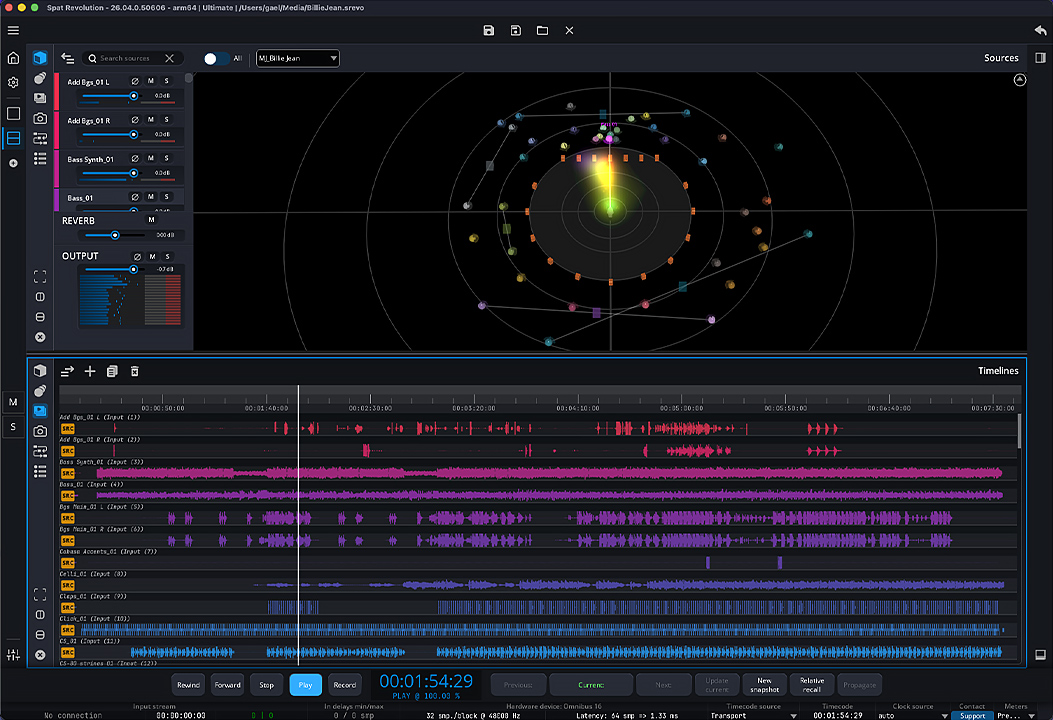
SLU : Among them, the multi-timeline player/recorder integrated into SPAT?
Gaël Martinet : The new multi-timeline player/recorder records and plays back both audio and automation. We import ADM files. At this stage, there is no question of integrating editing functions because we do not want to turn it into a digital audio workstation.
However, the possibility of simple editing functions that would allow users to track the evolution of a project is being considered, for example, to manage multiple automation passes. Since it works in multi-timeline mode, there is no problem playing several files simultaneously, such as a stereo mix and, why not, a full 120-track ADM, and so on.
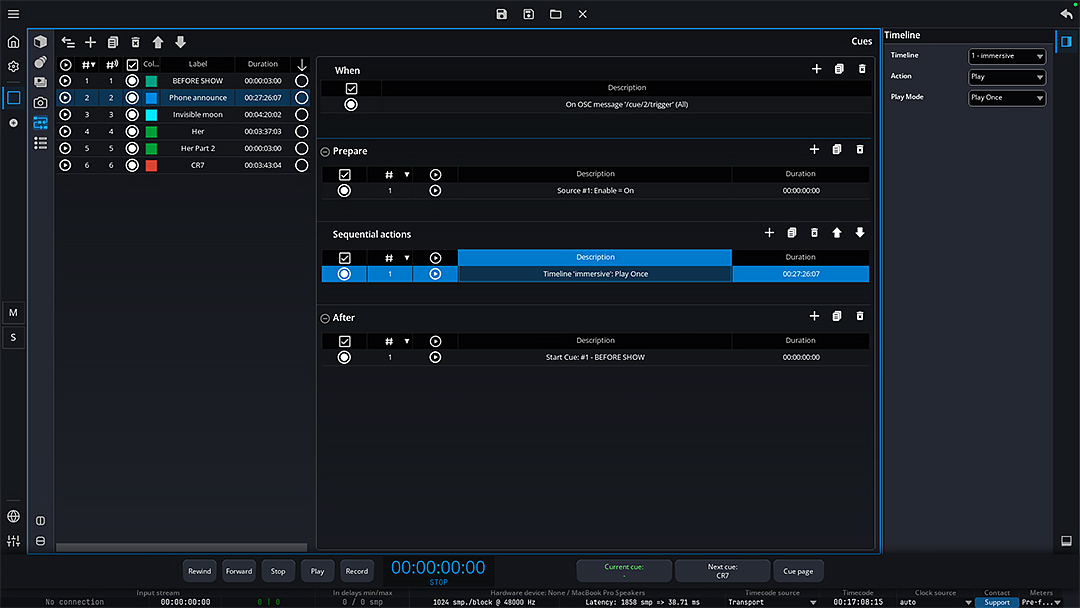
SLU : Plus a Cue Sequencer?
Gaël Martinet : The Cue Sequencer we have integrated allows several timelines to be triggered in order to create a complete show. Cues can be triggered via OSC, MIDI or by a sequence, while assigning them actions and chaining options to recall objects, snapshots and control parameters. They only handle audio. Of course, there is no problem synchronising it with an external Cue Sequencer to handle the other media. SPAT is now a strong solution for building a self-contained show-control system.
SLU : And on top of that, processing?
Gaël Martinet : Yes, we have added audio processing on objects and outputs. All the EVO Channel modules, drive, phase, compressor, transient designer and EQ can be arranged and activated as required on the objects.
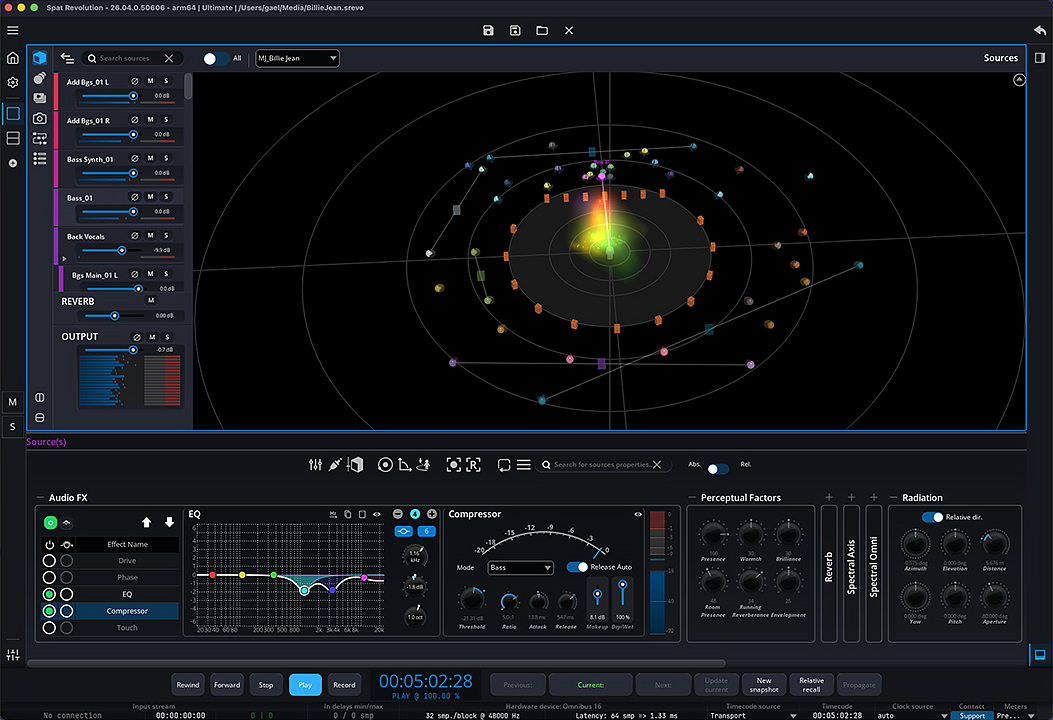
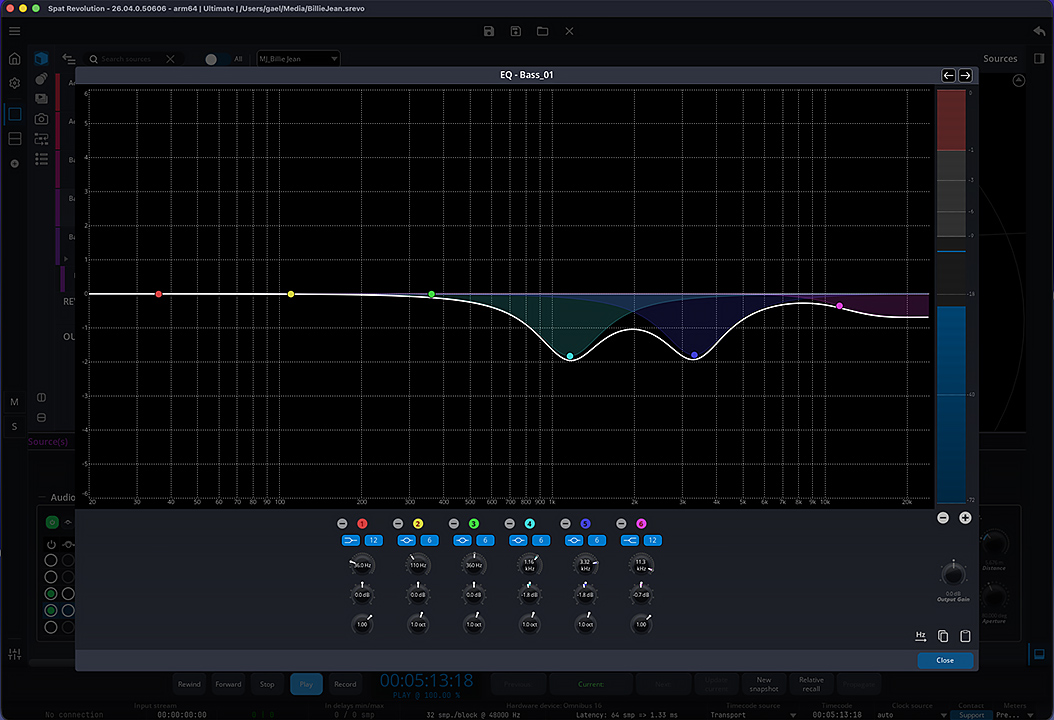
EQs are also available on the outputs and on the speakers, in order to correct the immersive system. This new option is very interesting because it makes it possible to assign automatically in SPAT the EQs calculated by MIRA’s Auto EQ function. I think that should help a little…
SLU : And it does not stop there, because I can now see an animation module in SPAT?
Gaël Martinet : Using another piece of software to manage object trajectories in SPAT was fairly complex, so we decided to integrate that functionality through an animation module.
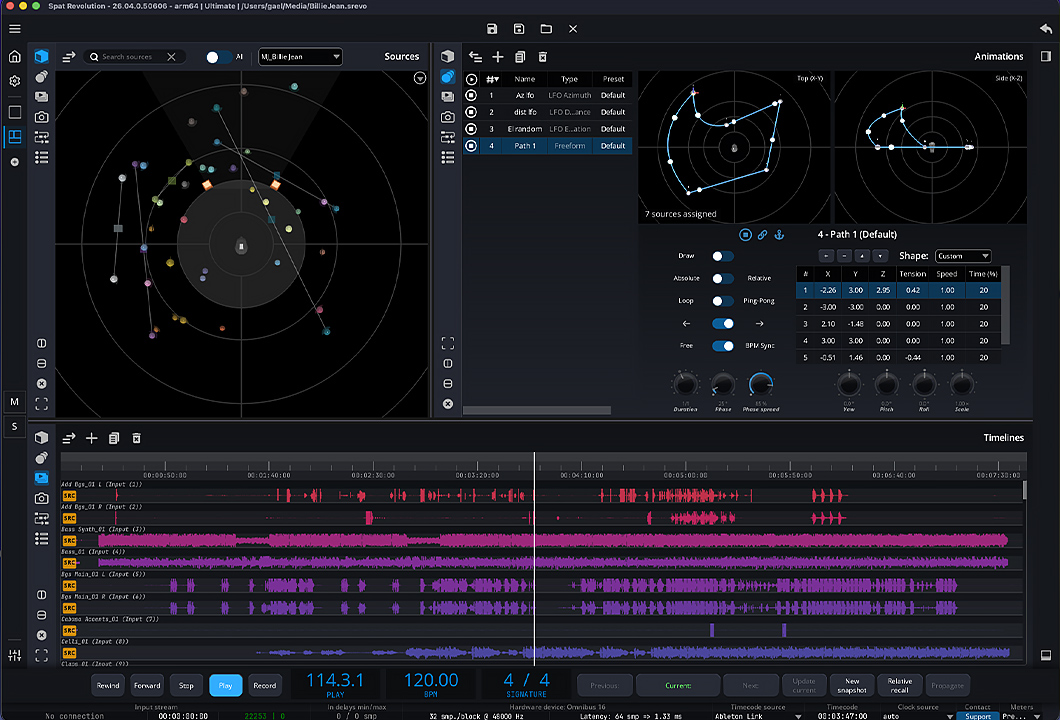
It makes it possible to create trajectories, control them using LFOs and, of course, trigger and stop them, with or without conditions, via the Cue Sequencer.
SLU : And, icing on the cake, morphing on the protection zone?
Gaël Martinet : For that, we filed a patent. In immersive audio, there are two categories of systems: those that manage a distance attenuation model and those that do not. To achieve that attenuation and define the presence of a sound object, we calculate what we call its presence factor. It represents a combination of parameters including gain, reverb send, air absorption and the mix between direct and reverberant sound.
Depending on the position of the object, we modify that presence factor using the attenuation model defined between the source and what we call the listener’s protection zone. This protection zone serves two purposes. First, it prevents a source from entering that zone, either by making it pass above it or by blocking it. Second, it defines a surface for calculating attenuation. As in real life, this zone is spherical, which is perfect if you rotate a source around the listener in azimuth, because its perceived presence remains constant.
On the other hand, in live applications with a frontal stage, where the artist is being tracked moving left to right along the X axis, that spherical attenuation model, because attenuation is calculated relative to a sphere will not provide constant presence. The listener will get the impression that the artist is moving away even though he remains at the edge of the stage. In that case, the solution is to apply a Cartesian model for the attenuation calculation.
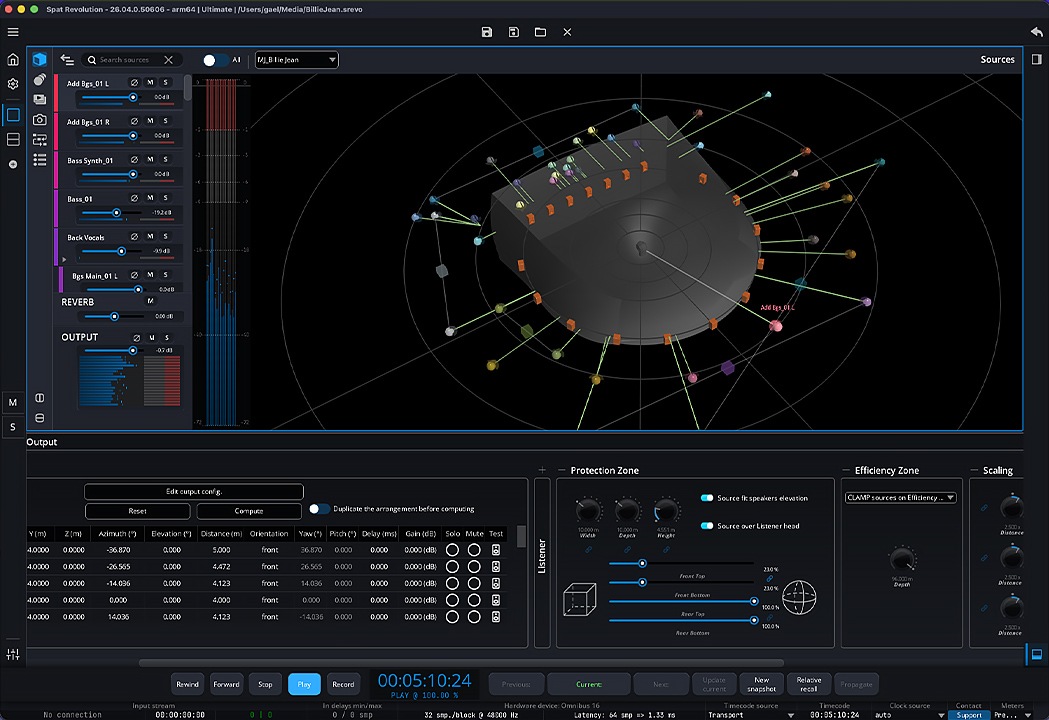
While some solutions allow you to choose between spherical and Cartesian models, that does not really solve the problem. To address it, we propose a protection-zone morphing solution. To picture it, just imagine a sphere cut flat at the front in order to define the stage plane. The amount of morphing can then be adjusted to produce smooth transitions at the corners and along the sides.
This makes it possible to maintain linear Cartesian translation at the front of the stage and on the sides, while keeping something spherical behind. In other words, with a single azimuth parameter, you can be Cartesian at the front and spherical at the rear. This is going to solve a large number of problems that immersive project designers typically encounter in live applications.
SLU : Patents for Flux::, is that a new stage in the company’s development?
Gaël Martinet : Before, I never decided to file patents because it was neither in my culture nor within my means. And besides, once a patent is filed, the most important thing is being able to defend it. Now, thanks to Harman, we have filed two in two years. One covers SPAT’s protection-zone morphing, and the other covers the pairing of measurement microphones in MIRA.
SLU : A real opportunity for your visionary side?
Gaël Martinet : Before creating Flux::, I had the opportunity to work with some of the best sound engineers, including Yves Jaget, who taught me a great deal. It would have been impossible not to become visionary after that experience. I owe him a lot. With Yves, you were allowed to do anything, test anything, create… In fact, it was an obligation. He always told me, “when you are not satisfied, you are allowed to do anything.” That is how I began creating my own software. Today, it is a tremendous pleasure to be able to tap into the opportunities that Harman and Samsung are putting at our disposal, and it gives me countless ideas. I am like a kid in a toy shop, I am having a blast.
Conclusion
With Flux::, Harman has unquestionably made the right choice. Beyond deep technical expertise, its software also embodies the values of a human-centred approach to the sound engineering profession, combined with the visionary imagination of its creator. These tools enable us to go further, push ourselves harder, create, invent and master fields that remain complex and filled with uncertainty, such as spatialized and immersive sound reproduction.
To conclude, I will simply reuse the title of this article, an expression that will surely raise a smile from our interviewee, as well as from many sound engineers who have crossed paths with him over the years: “Flux:: at Harman: stepping up a gear.”
More information on Flux:: Flux::